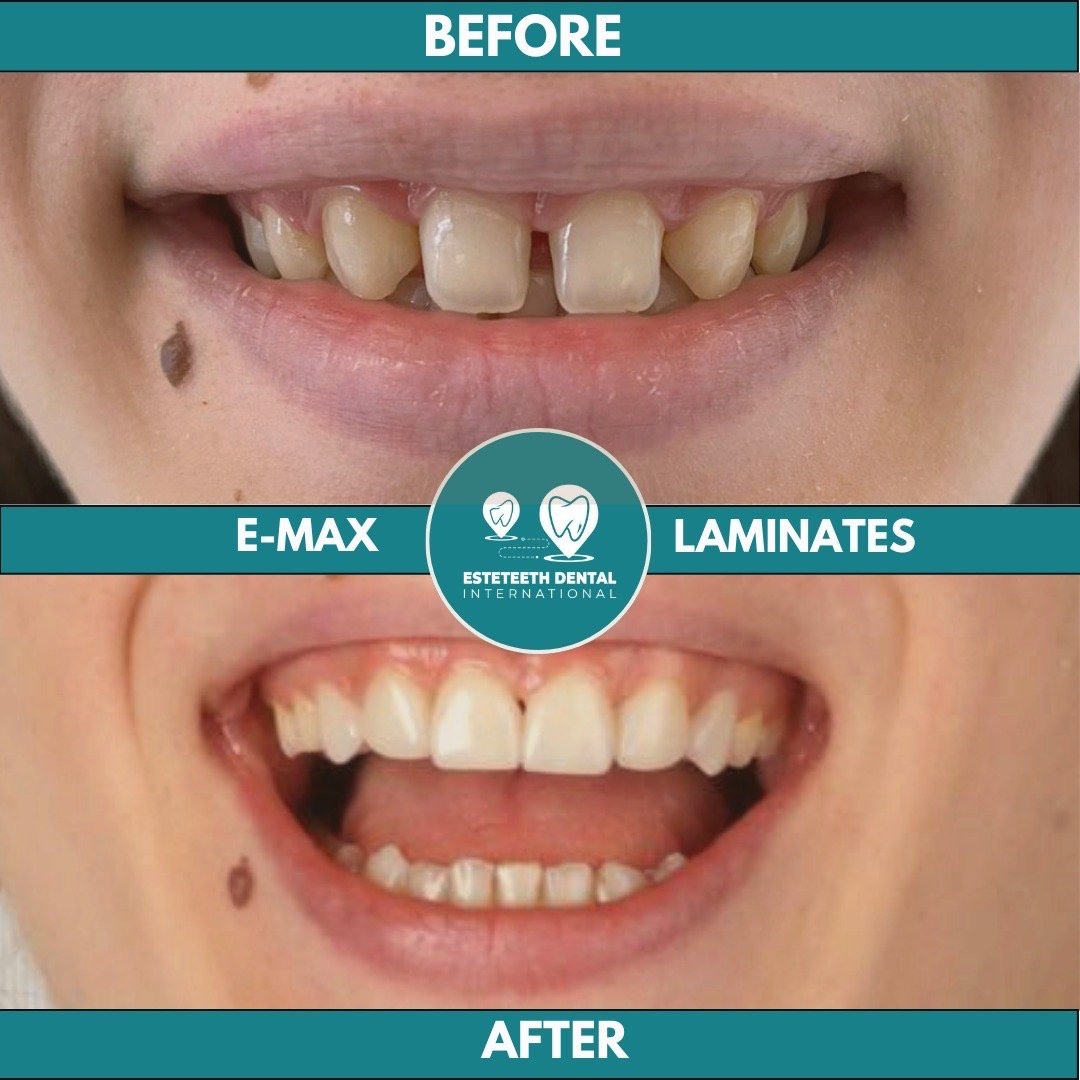
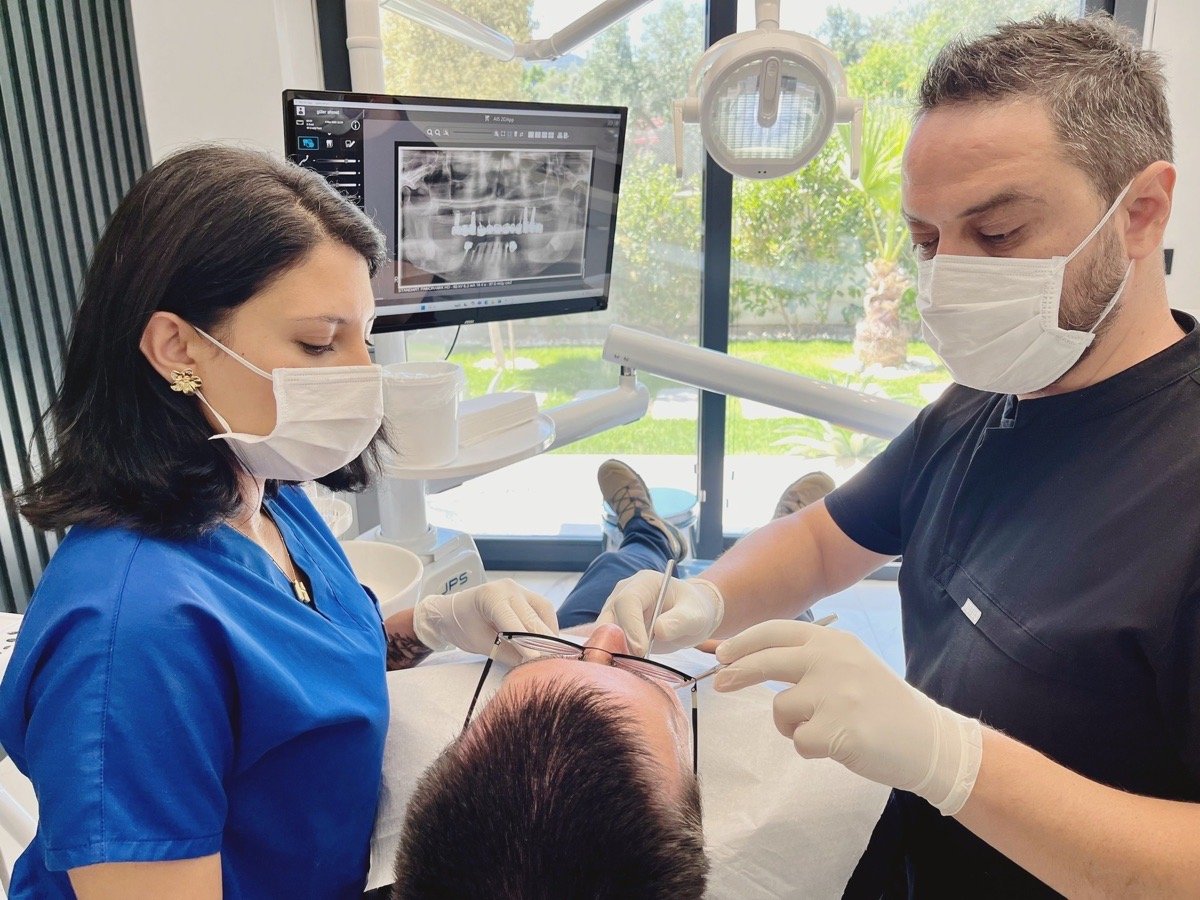
"How long do veneers last?" is one of the first questions patients ask, and the honest answer is: it depends. Here's what actually affects the lifespan of porcelain veneers, and how to make yours last as long as possible.
So how long do they last?
Well-made porcelain veneers commonly last many years, and with good care often well beyond a decade, before they need replacing. Porcelain is stain-resistant and hard-wearing, but no restoration is permanent, and the lifespan depends far more on how you look after them than on the porcelain itself.
Send a few photos of your teeth on WhatsApp for a free assessment, in English, German or Turkish.
What affects a veneer's lifespan?
- The material and the bond. Quality porcelain such as E-MAX, bonded well to healthy enamel, lasts longer.
- Your oral hygiene. Veneers don't decay, but the tooth underneath can. Brushing, flossing and check-ups protect the edges.
- Grinding and clenching. Night grinding is the most common cause of chips, a night guard makes a real difference.
- Habits. Biting nails, opening packaging with your teeth or chewing ice all shorten the life of any veneer.
How to make your veneers last
Brush twice a day and floss, wear a night guard if you grind, don't use your teeth as tools, and keep regular check-ups. Simple, but it's what separates veneers that last five years from veneers that last fifteen. See our full veneers guide for how a case is planned.
Veneers, crowns or implants, which lasts longest?
Veneers are a cosmetic shell and depend on the tooth beneath them. Zirconia crowns cover the whole tooth and are stronger where a tooth is damaged. Implants replace a missing tooth entirely. Longest-lasting isn't the same as right for you, the best option depends on the state of your own teeth.
When a veneer needs replacing
Veneers are eventually renewed if they chip, if the bond fails, or if the gum recedes and shows an edge. A good clinic plans for that honestly rather than promising a lifetime guarantee.